Team Members
Meet the Marine Turtle Biology and Assessment Program (MTBAP) team.
Dr. Summer Martin
Program Lead
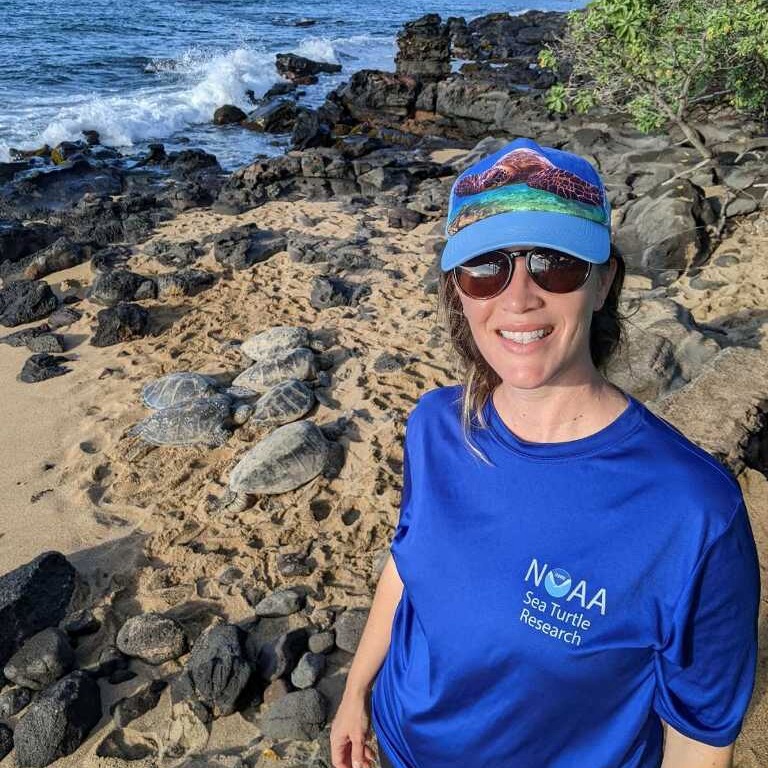
Dr. Martin conducts ecological research to support marine turtle population assessments and sustainable fisheries management. Her current research includes modeling spatial habitat use from animal-borne instruments, modeling climate-related impacts on marine turtle populations, quantifying fisheries bycatch interactions, and analyzing programmatic and archived data to understand habitat use and migration patterns. She conducts field research throughout the Pacific Islands Region and serves as Chief Scientist on research missions. Dr. Martin also contributes to population assessments, species status reviews, and critical habitat designations under the Endangered Species Act (ESA).
Shawn Murakawa
Research Biologist 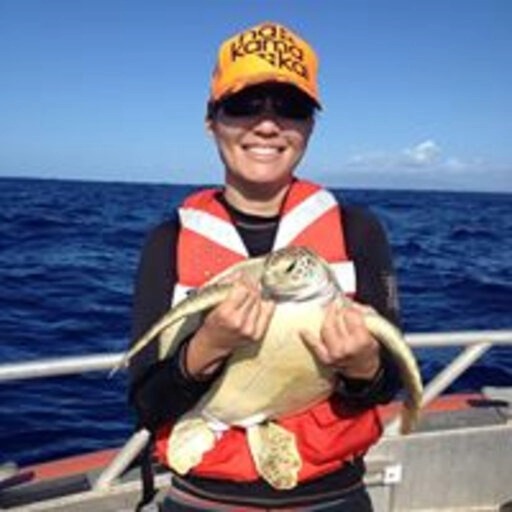
Shawn is a biologist in the Marine Turtle Biology and Assessment Program at NOAA’s Pacific Islands Fisheries Science Center. She leads nesting and in-water survey research at Rose Atoll, manages the skeletochronology laboratory, and studies growth rates and aging of sea turtles. Born and raised on Oʻahu, Shawn earned her B.S. and M.S. in Animal Sciences from the University of Hawaiʻi at Mānoa. She has participated in expeditions to the Northwestern Hawaiian Islands and American Samoa and supported stranding response during the Deepwater Horizon oil spill. Outside of NOAA, she volunteers with Nā Kama Kai and Kapiʻolani Medical Center, and enjoys fishing, family time, and raising succulents.
Dr. Camryn Allen
Wildlife Endocrinologist 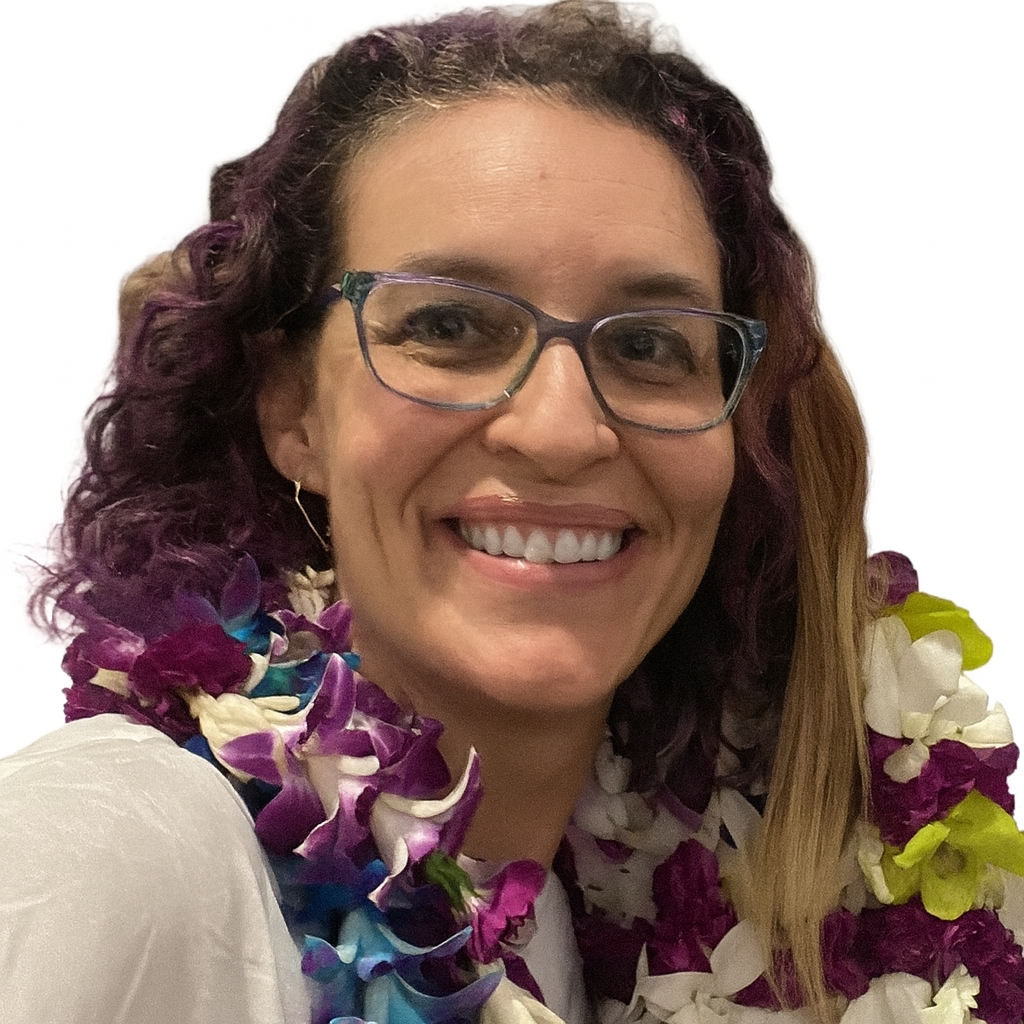
Dr. Allen is a wildlife endocrinologist who uses molecular approaches to address demographic and habitat utilization questions critical for conservation of endangered wildlife populations. She is a research scientist with the Joint Institute for Marine and Atmospheric Research at NOAA Fisheries’ Pacific Islands Fisheries Science Center. Dr. Allen developed the sea turtle endocrinology laboratory at PIFSC to examine sex ratios of turtles at foraging grounds and also uses stable isotope analysis to understand habitat use, connectivity, and human impacts on Pacific sea turtle populations.
Marylou Staman
Marine Biologist 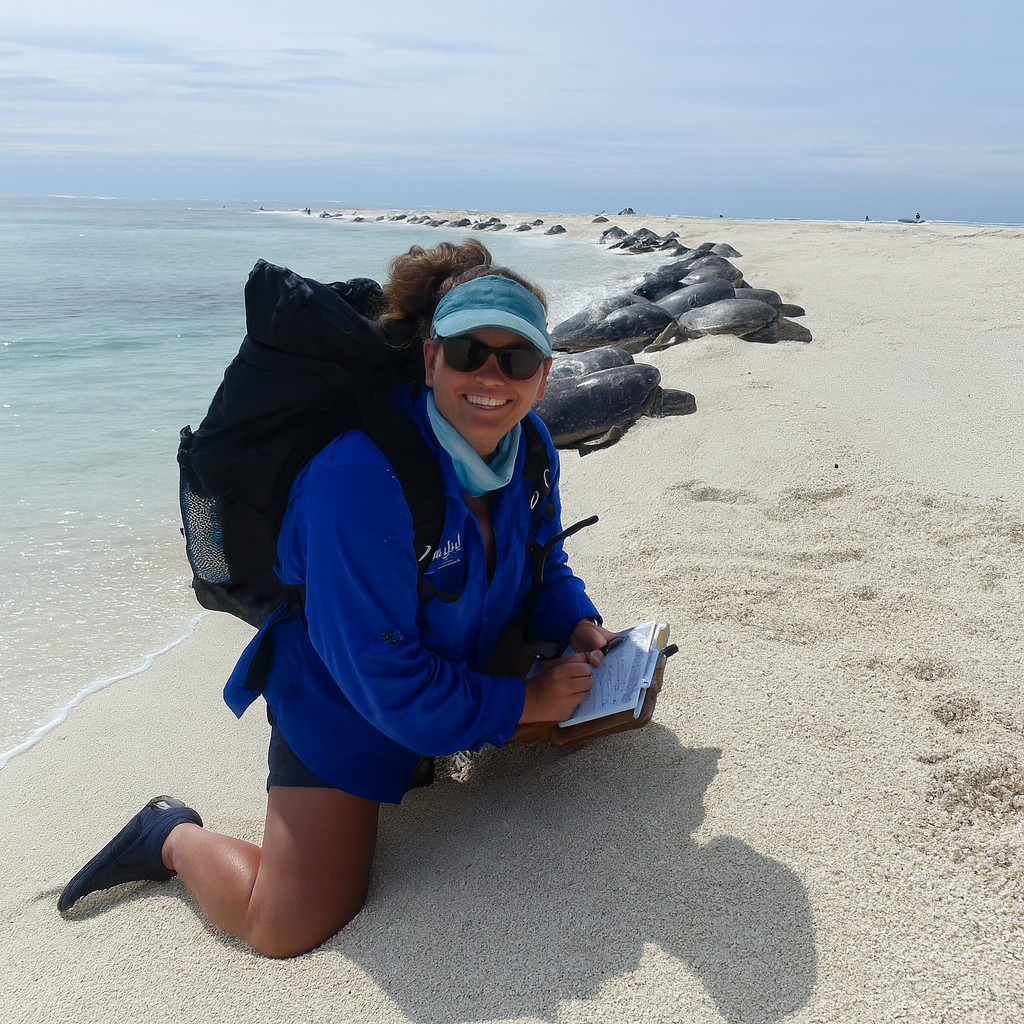
(Placeholder — bio to be added.)
Dr. Alexander R. Gaos
Research Ecologist 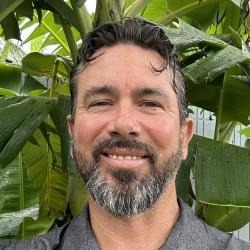
Dr. Gaos is a Research Ecologist with MTBAP at NOAA’s Pacific Islands Fisheries Science Center. He specializes in deploying satellite telemetry, applying molecular genetic tools, and developing field programs across the Pacific. He serves as Vice-Chair of the Eastern Pacific Region for the IUCN Marine Turtle Specialist Group, Travel Grant Chair for the International Sea Turtle Society, and Co-Founder of the Eastern Pacific Hawksbill Initiative (ICAPO). With over a decade of experience, he has managed nesting beach surveys, in-water monitoring, and fisheries bycatch reduction programs across the Pacific. Dr. Gaos earned his M.S. in Biology from San Diego State University and his Ph.D. in Ecology through the SDSU/UC Davis Joint Doctoral Program.
Jan-Willem Staman
Biological Science Technician 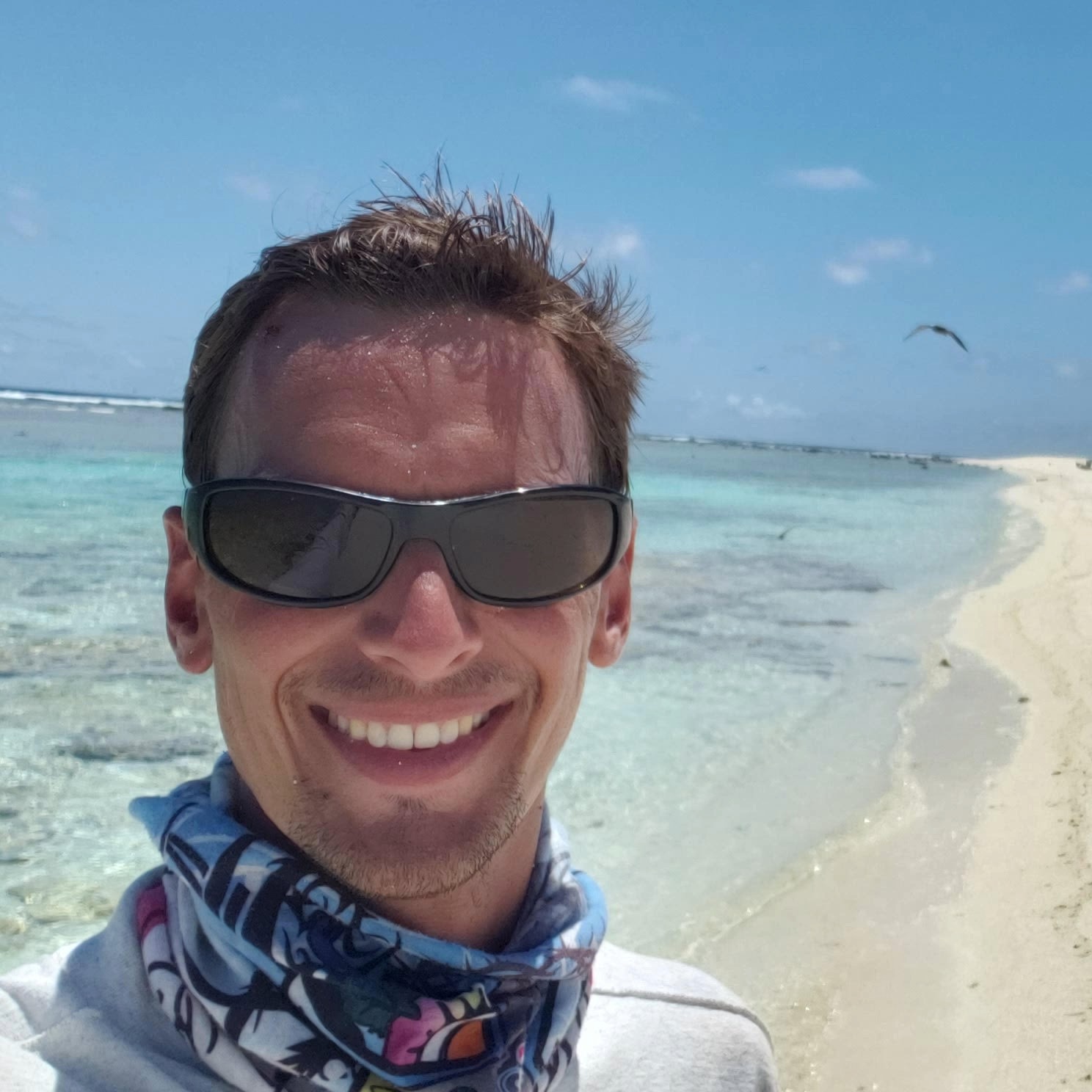
Jan Willem Staman is a Biological Science Technician with MTBAP. He leads the MTBAP stranding response network across the Main Hawaiian Islands and organizes and leads in-water research missions on Oahu, Guam, and the Northern Marianas. When not in the field Jan Willem works on data validation, necropsies, and sample archiving. Where possible, he also supports other Protected Species Programs and the Ecosystems Science Division by conducting fish surveys throughout the Pacific Islands Region.
Andrew Glinsky
Field Technician
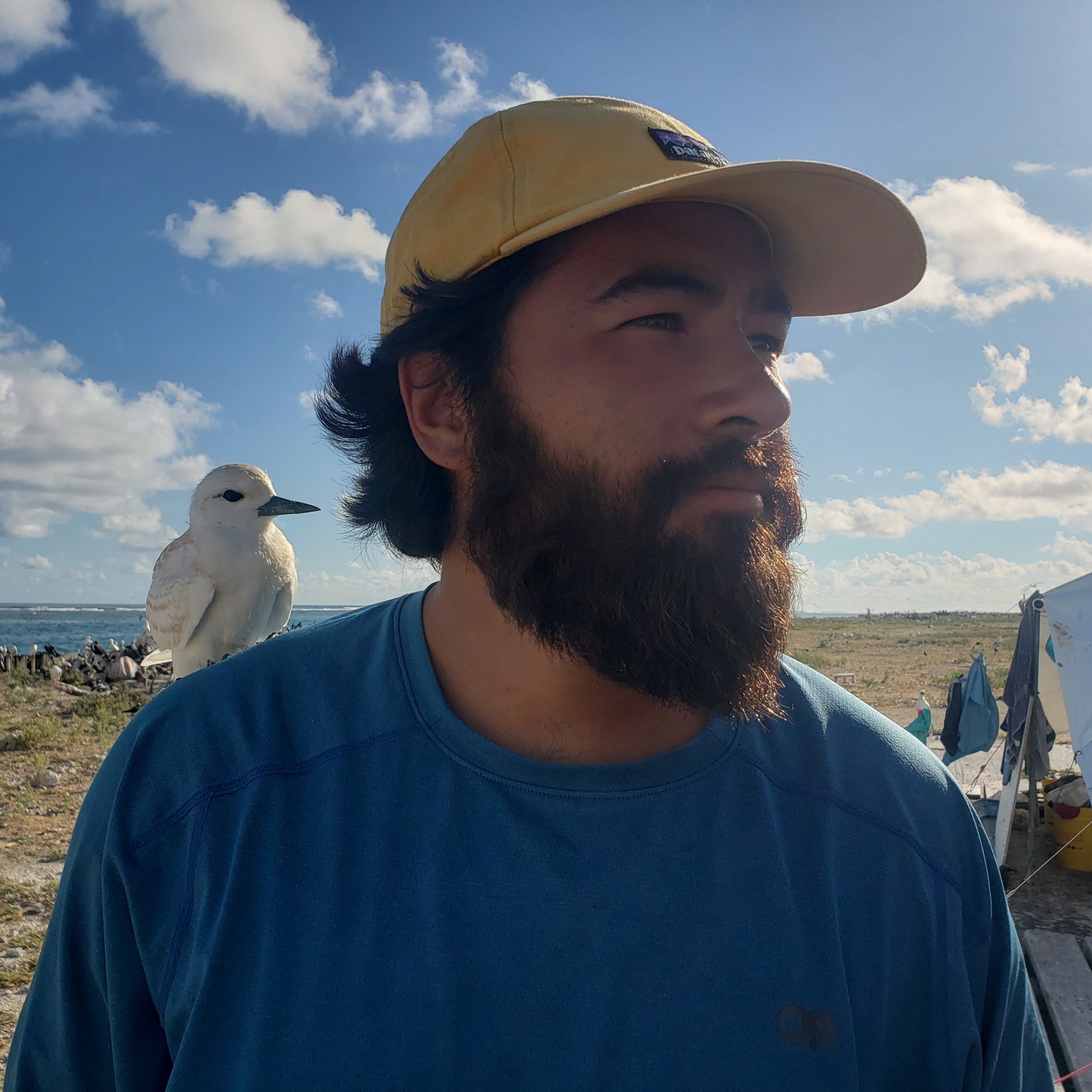 Andrew is from upstate New York and holds degrees from Towson University and Stonybrook University. Over the last decade, he has been part of sea turtle programs in Costa Rica, West Africa, the Caribbean, Australia, and the United States. While abroad he was fortunate to work with multiple species of sea turtles, assist in predator deterrent projects, and help conduct a variety of biological surveys monitoring primates, small mammals, and reptiles. Andrew has been part of CIMAR/NOAA for four field seasons, working with marine turtles at a remote field camp in the Papahānaumokuākea Marine National Monument.
Shelbie Ishimaru
Graduate Assistant
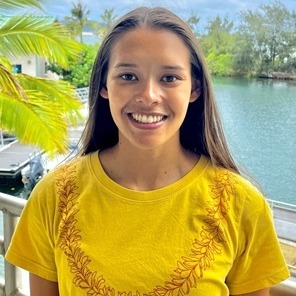 Shelbie Ishimaru is a Graduate Assistant for the Marine Turtle Biology and Assessment Program (MTBAP). She is currently a Ph.D. student at the University of Hawaiʻi at Mānoa, where her doctoral research focuses on developing mark-recapture models to estimate abundance of the Hawaiian green sea turtle population. Along with modeling efforts, she has supported field research and data collection in the Papahānaumokuākea Marine National Monument. Born and raised in Oʻahu, she began working with MTBAP as a Pacific Islands Fisheries Science Center Young Scientist Opportunity intern. Shelbie earned her B.S. in Environmental Science and Management from the University of California, Davis.
Josefa Munoz
Graduate Assistant
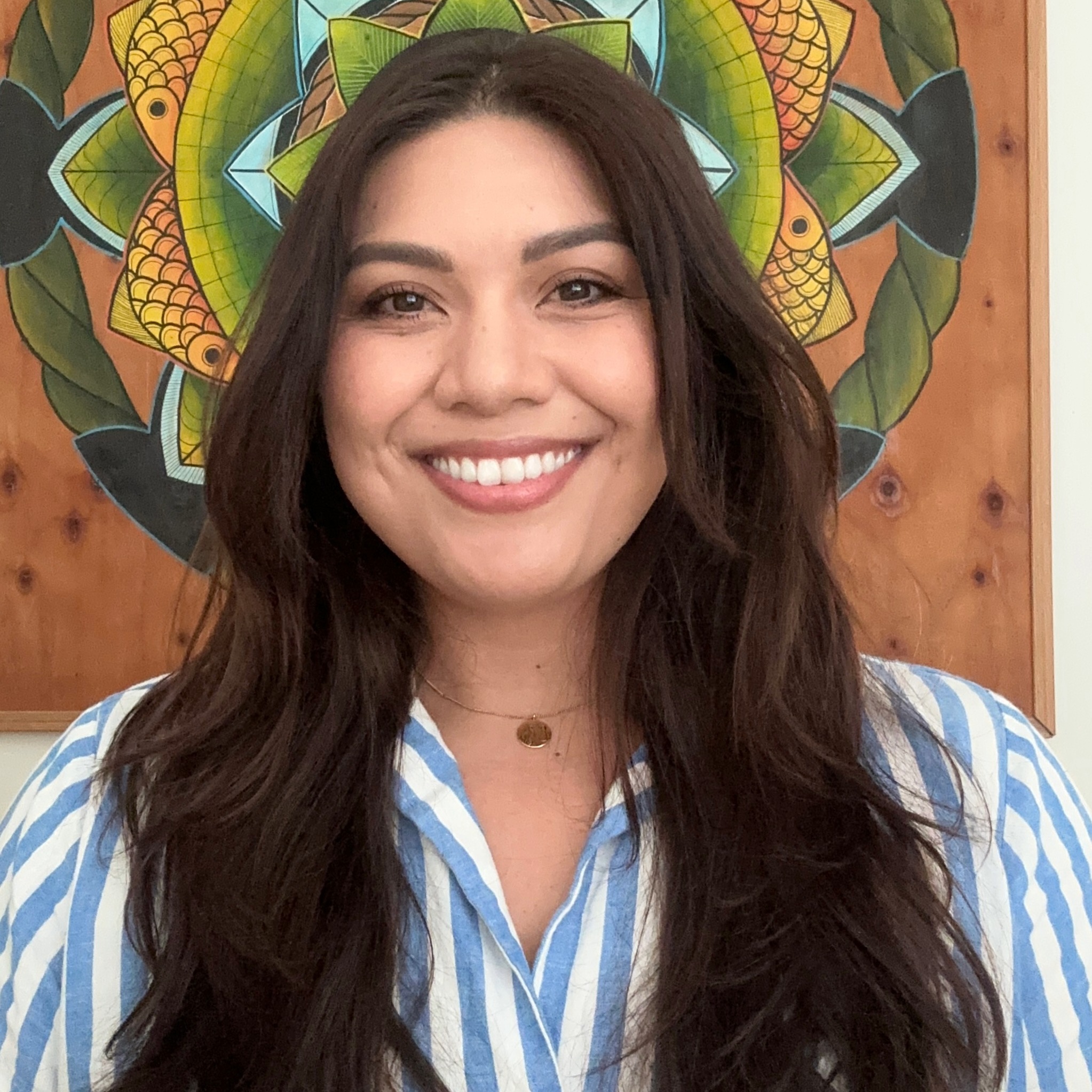 Growing up in CHamoru culture, Josefa “Sefa” Muñoz learned the importance of respect and stewardship for the natural world—values that inspired her journey into scientific research and conservation. She began as a Haggan Watch volunteer in 2014 while obtaining her B.S. in Biology at the University of Guam and became a sea turtle biologist by 2018, deepening her passion to protect and study Guam’s data-deficient, endangered green sea turtles. Now a University of Hawaiʻi at Mānoa Ph.D. candidate and MTBAP Graduate Assistant supported through CIMAR, Sefa’s dissertation focuses on establishing baseline information on Mariana Archipelago nesting green sea turtles, including their demography, mating strategies and breeding sex ratios, inter-nesting movements, post-nesting migrations, and foraging habitat use. To investigate these questions, she uses satellite telemetry, genetics, and stable isotope analysis. From classrooms to fishing piers, Sefa enjoys sharing her research and turtle experiences, fostering connections between science and the community. She is a former fellow of NOAA’s Pacific Islands Fisheries Science Center’s Quantitative Ecology and Socioeconomics Training (QUEST) Program and a member of the IUCN Marine Turtle Specialist Group–Oceania.
Anna Ortega
Postdoc
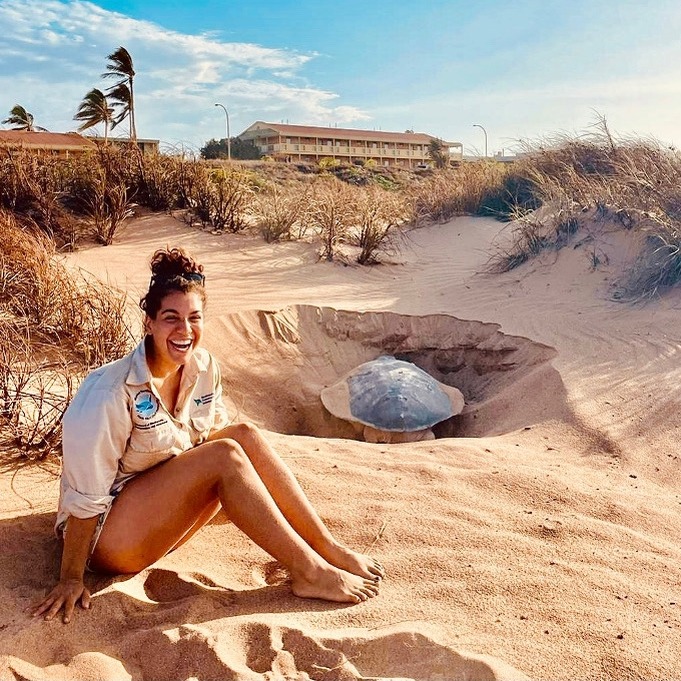 Anna Ortega found her passion for scientific research early by observing the snapping turtles in her home state of Michigan at the age of five. Since then, she has been lucky enough to work on understanding coral disease, spotted eagle ray migrations, algal-bacterial interactions and harmful algal blooms, as well as work with sea turtles in the Caribbean and Mediterranean Seas, Indian, Atlantic, and Pacific Oceans. She joins the MTBAP as a CIMAR postdoc after submitting her PhD at the University of Western Australia. Her current work as a quantitative ecologist allows her to model sea turtle population dynamics to assess the long-term impacts of different threats and conservation actions, in order to help guide management.